
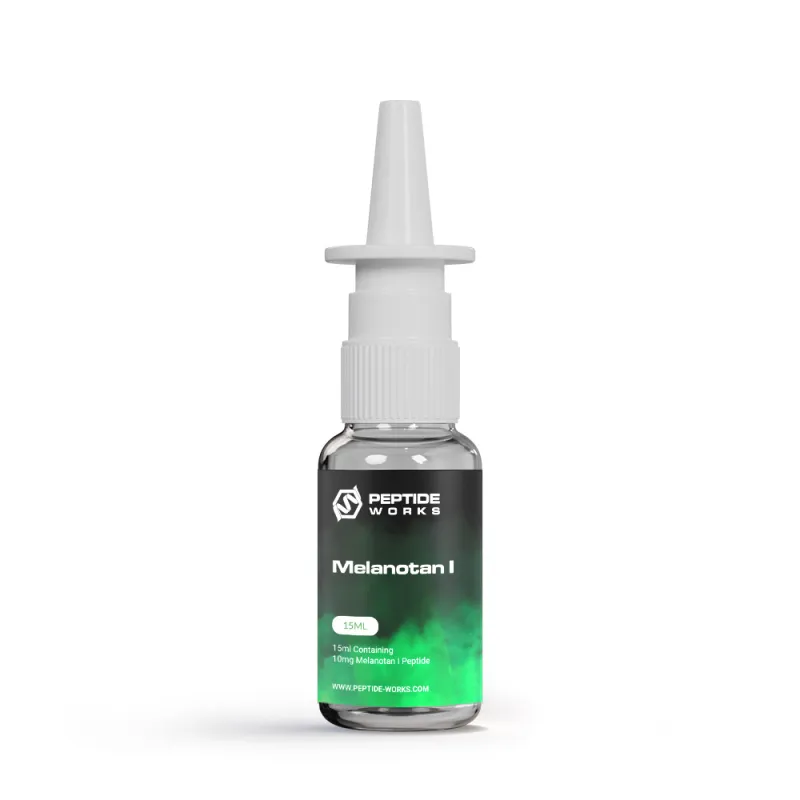
Buy Melanotan I Nasal Spray Europe Online
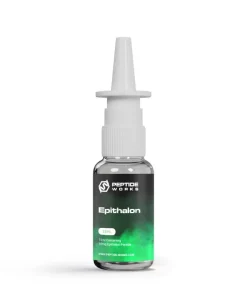
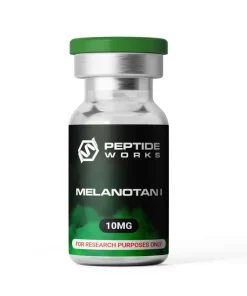
Need to buy Melanotan I Nasal Spray in Europe? Our EU inventory is ready for 48H delivery to UK, Germany, France and across the EU.
Wondering if you can get Melanotan I Nasal Spray online? Absolutely. You can shop MT1 nasal spray, order Melanotan I research spray, or secure Afamelanotide nasal solution today from EU stock.
Supplied by PeptideShopEurope.com in a sterile, research-grade format with COA included.
Melanotan I Nasal Spray: Overview
Melanotan I Nasal Spray refers to an experimental nasal peptide formulation containing Melanotan I, also known as afamelanotide or NDP-α-MSH, a synthetic analogue of alpha-melanocyte-stimulating hormone (α-MSH). Melanotan I was developed to mimic the biological activity of α-MSH while providing greater stability and longer activity through structural modifications.
Melanotan I primarily activates the melanocortin-1 receptor (MC1R), which plays a central role in regulating melanin production within melanocytes. Scientific research has investigated afamelanotide for pigmentation biology, photoprotection, and certain rare photosensitivity disorders, while nasal delivery remains an investigational formulation rather than an established therapeutic route.
The term nasal spray describes the method of delivery only. It does not indicate proven absorption, pharmaceutical quality, clinical effectiveness, safety, or regulatory approval for a specific product.
What Is Melanotan I Nasal Spray?
Melanotan I Nasal Spray is a nasal-delivery preparation associated with Melanotan I, a synthetic peptide derived from α-MSH.
Melanotan I is designed to bind melanocortin receptors involved in skin pigmentation. Compared with naturally occurring α-MSH, the synthetic analogue has improved resistance to enzymatic breakdown, allowing researchers to investigate longer-lasting melanocortin receptor activation.
The nasal formulation represents an alternative peptide delivery approach that has attracted interest because peptides often have limited oral bioavailability.
Melanotan I Nasal Spray: How It Works
Melanotan I primarily works through activation of MC1R receptors on melanocytes.
A simplified biological pathway is:
Melanotan I → MC1R activation → Increased eumelanin production → Pigmentation response
MC1R activation stimulates production of eumelanin, the darker form of melanin that contributes to skin pigmentation. Research also suggests melanocortin signaling participates in cellular responses following ultraviolet exposure, including DNA repair pathways and oxidative stress regulation.
Melanotan I Nasal Spray and Melanin Production
Melanin is the pigment responsible for the color of skin, hair, and eyes.
Research involving afamelanotide demonstrates that activation of MC1R increases eumelanin synthesis within melanocytes. Increased eumelanin production has been investigated for improving natural pigmentation responses in individuals with certain photosensitivity disorders.
However, increased pigmentation does not eliminate the need for sun protection and should not be interpreted as complete protection against ultraviolet radiation or skin damage.
Melanotan I Nasal Spray and Photoprotection Research
One of the most significant areas of Melanotan I research involves photoprotection.
Afamelanotide has been studied for erythropoietic protoporphyria (EPP), a rare inherited disorder characterized by painful reactions to sunlight. Clinical studies demonstrated improved tolerance to sunlight exposure in patients treated with pharmaceutical afamelanotide under medical supervision.
These findings relate to approved medical formulations and should not automatically be applied to cosmetic or research products marketed as Melanotan I nasal spray.
Melanotan I Nasal Spray and Skin Biology
Melanocortin signaling influences several aspects of skin physiology beyond pigmentation.
Researchers have investigated Melanotan I in relation to:
- Melanin synthesis.
- UV-induced pigmentation.
- DNA repair mechanisms.
- Oxidative stress responses.
- Skin inflammatory signaling.
- Pigment cell biology.
These investigations help explain why melanocortin peptides remain an important subject of dermatology research.
Nasal Delivery Research
The nasal cavity has become an area of interest for peptide delivery because it provides a highly vascularized absorption surface.
Researchers investigate nasal peptide formulations for several reasons:
- Avoiding gastrointestinal degradation.
- Potentially improving peptide delivery.
- Exploring non-invasive administration methods.
- Investigating local and systemic peptide exposure.
For Melanotan I specifically, published evidence regarding nasal pharmacokinetics remains limited compared with injectable pharmaceutical formulations. The effectiveness of one nasal formulation cannot automatically be assumed for another.
Research Applications of Melanotan I Nasal Spray
Pigmentation Research
Melanotan I remains one of the best-studied melanocortin peptides for stimulating eumelanin production.
Photoprotection Research
Clinical investigations have focused on photosensitivity disorders, particularly erythropoietic protoporphyria.
Melanocortin Receptor Research
Researchers use Melanotan I to investigate MC1R signaling and pigmentation biology.
Dermatology Research
Experimental studies continue exploring melanocortin pathways involved in pigmentation disorders and skin protection.
Peptide Delivery Research
Nasal formulations provide an experimental model for studying peptide absorption through the nasal mucosa.
Evidence and Limitations
Melanotan I has a stronger scientific foundation than many experimental peptides because afamelanotide has undergone clinical development for specific medical conditions.
Important limitations remain:
- Evidence supporting pharmaceutical afamelanotide should not be generalized to commercial nasal sprays.
- Nasal bioavailability remains an area of investigation.
- Long-term safety of cosmetic nasal formulations has not been established.
- Commercial peptide preparations may differ from products used in clinical studies.
- Increased pigmentation is not equivalent to complete UV protection.
Claims that Melanotan I nasal spray is a proven tanning medicine, anti-aging treatment, or skin cancer prevention therapy are not supported by current clinical evidence.
Regulatory Status
It is important to distinguish afamelanotide from products marketed as Melanotan I nasal spray.
Afamelanotide has regulatory approval in certain countries for specific medical indications under specialist supervision. That approval does not automatically apply to compounded, research, or cosmetic nasal peptide products.
Products marketed as Melanotan I nasal spray may have different regulatory status depending on the manufacturer and jurisdiction.
Product Quality and Documentation
For a nasal peptide formulation, useful product documentation may include:
- Melanotan I identity.
- Peptide concentration.
- Purity analysis.
- Batch or lot number.
- Manufacturing information.
- Formulation ingredients.
- Stability testing.
- Storage recommendations.
- Expiration or retest date.
- Certificate of analysis, where available.
A certificate of analysis can verify analytical characteristics for a specific batch but does not establish clinical effectiveness or regulatory approval.
Safety and Important Considerations
Melanotan I is biologically active through melanocortin receptors and influences pigmentation pathways.
Research involving melanocortin agonists has discussed potential adverse effects including:
- Nausea.
- Facial flushing.
- Headache.
- Increased skin pigmentation.
- Darkening of freckles or existing moles.
The safety profile of pharmaceutical afamelanotide should not automatically be applied to experimental or cosmetic nasal formulations.
Storage and Handling
Storage recommendations depend on the manufacturer’s formulation.
General considerations include:
- Store according to labeled temperature requirements.
- Keep the nasal container tightly closed.
- Protect from excessive heat, moisture, and direct sunlight.
- Observe the expiration or retest date.
- Do not use damaged or contaminated packaging.
- Follow product-specific stability instructions.
Frequently Asked Questions About Melanotan I Nasal Spray
What is Melanotan I Nasal Spray?
It is a nasal peptide formulation associated with Melanotan I, a synthetic analogue of α-MSH investigated primarily for pigmentation and melanocortin receptor research.
Is Melanotan I the same as afamelanotide?
Yes. Afamelanotide is the pharmaceutical name for Melanotan I (NDP-α-MSH).
How does Melanotan I affect skin pigmentation?
Melanotan I activates MC1R receptors on melanocytes, stimulating production of eumelanin and increasing pigmentation through melanocortin signaling.
Is Melanotan I the same as Melanotan II?
No. Although both are α-MSH analogues, Melanotan I has greater selectivity for MC1R and has been studied primarily for pigmentation and photoprotection, while Melanotan II has broader melanocortin receptor activity.
Is Melanotan I Nasal Spray approved for cosmetic tanning?
No. Approved afamelanotide products are indicated for specific medical conditions, not cosmetic tanning.
Does Melanotan I Nasal Spray replace sunscreen?
No. Increased pigmentation does not replace sunscreen or other established methods of ultraviolet protection.
Scientific References and Informative Sources
- PubMed — Afamelanotide, an Agonistic Analog of α-Melanocyte-Stimulating Hormone
- PubMed — Investigation of the Stability Profile of Therapeutic α-MSH Analog Afamelanotide (Melanotan I)
- PMC — Melanocortin 1 Receptor (MC1R) and Afamelanotide Research
- NCBI Bookshelf — Afamelanotide (LiverTox)
- PubMed — Risks of Unregulated Use of Alpha-Melanocyte-Stimulating Hormone Analogues
Summary
Melanotan I Nasal Spray is an experimental nasal peptide formulation associated with Melanotan I (afamelanotide), a synthetic analogue of α-MSH that primarily activates the melanocortin-1 receptor (MC1R) to stimulate eumelanin production.
Scientific research has investigated Melanotan I for pigmentation biology, melanocortin receptor signaling, photoprotection, and rare photosensitivity disorders, while nasal delivery remains an investigational route requiring further study. Products marketed as Melanotan I nasal spray should be distinguished from approved pharmaceutical afamelanotide formulations.
ALL CONTENT AND PRODUCT INFORMATION AVAILABLE ON THIS WEBSITE IS FOR EDUCATIONAL PURPOSES ONLY.
DISCLAIMER: Products are supplied for research purposes only and are not intended to diagnose, treat, cure, or prevent any disease.