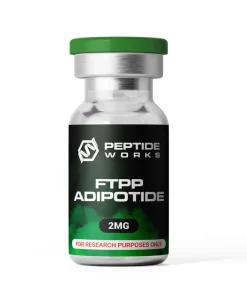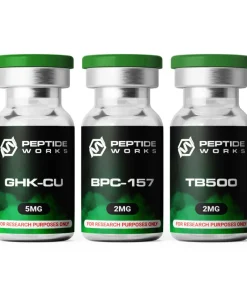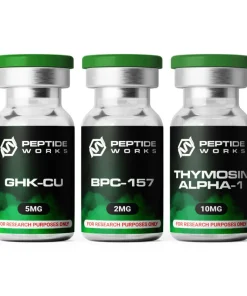

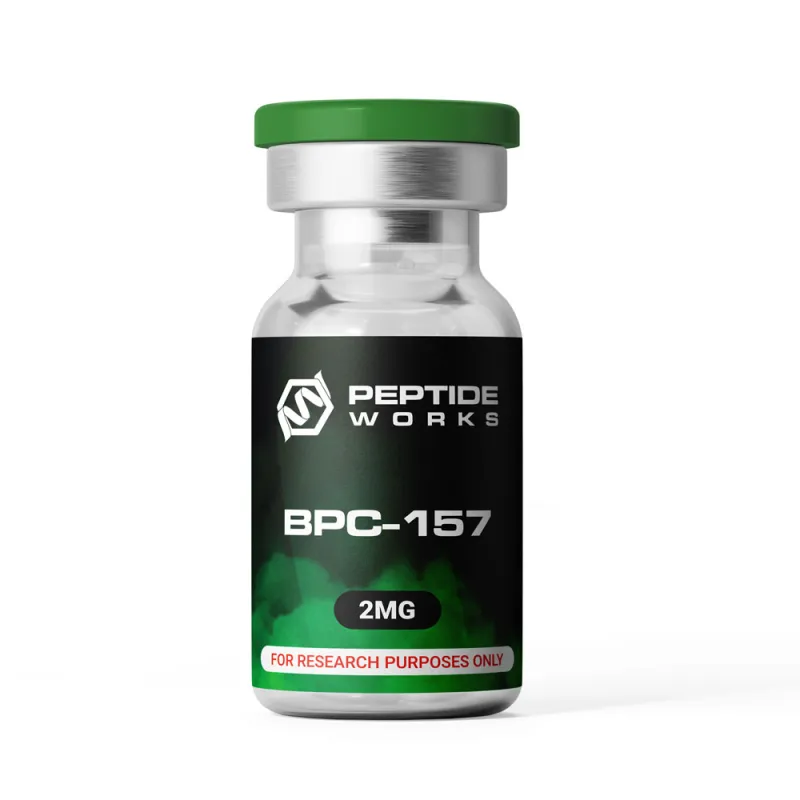
Buy BPC-157 Peptide Vial In Europe Online
Lock in purity with BPC-157 Peptide Vial 5mg.
We deliver high-purity lyophilized BPC-157 in sealed vials for stability and consistency. Every batch is lab-verified with COA and ships from EU stock for 48H delivery to UK, Germany, France and across Europe.
Customers buy BPC-157 peptide vial for research that demands reliable quality. You can order BPC-157 5mg online and purchase lyophilized BPC-157 with tracked EU shipping.
Need to shop BPC-157 vial or stock up on BPC-157 5mg peptide? We keep fresh inventory ready for fast, dependable service.
For laboratory use only. Not for human consumption.
Overview of BPC-157 Peptide Vial
BPC-157 Peptide Vial is a laboratory-grade product containing BPC-157 (Body Protection Compound-157), a synthetic pentadecapeptide derived from a partial sequence of a naturally occurring protein found in human gastric juice. It is commonly supplied as a lyophilized (freeze-dried) powder in a sterile vial and typically requires reconstitution according to the manufacturer’s instructions before laboratory use.
BPC-157 has attracted significant scientific interest because of its potential biological activity in studies involving tissue repair, angiogenesis, gastrointestinal physiology, and connective tissue biology. However, BPC-157 has not been approved by major regulatory authorities, including the U.S. Food and Drug Administration (FDA) or the European Medicines Agency (EMA), for routine therapeutic use, and the available evidence is based primarily on laboratory and animal studies rather than large, well-controlled human clinical trials. (PubMed)
What Is BPC-157 Peptide Vial?
BPC-157 Peptide Vial is a sterile glass vial containing lyophilized BPC-157 intended for laboratory research or other manufacturer-specified purposes. The freeze-dried formulation helps maintain peptide stability during storage and transportation until reconstitution.
Common characteristics include:
- Lyophilized (freeze-dried) peptide powder
- Contains synthetic BPC-157
- Sterile glass vial
- Manufacturer-labeled peptide content
- Quality-controlled manufacturing
- Batch and lot identification
- Available in multiple vial strengths depending on the manufacturer
Features of BPC-157 Peptide Vial
Key features may include:
- High-purity research-grade peptide
- Lyophilized formulation for improved stability
- Secure sterile vial packaging
- Clearly labeled peptide content
- Batch traceability for quality assurance
- Quality-controlled production
- Manufacturer-specific storage recommendations
Research Background of BPC-157 Peptide Vial
BPC-157 is a synthetic peptide composed of 15 amino acids. Experimental studies have investigated its biological activity in connective tissue, tendons, ligaments, muscles, blood vessels, skin, and gastrointestinal tissues. Laboratory research suggests that BPC-157 may influence angiogenesis, collagen formation, cellular migration, and tissue remodeling, although these findings have largely been observed in animal models and in vitro studies. (PubMed)
Although BPC-157 has gained considerable attention in peptide research, its long-term safety, clinical effectiveness, and optimal use have not been established in large human clinical trials. As a result, BPC-157 Peptide Vial remains an investigational research product rather than an approved therapeutic medicine.
Potential Research Applications of BPC-157 Peptide Vial
Published scientific research involving BPC-157 has explored:
- Tissue repair biology
- Tendon and ligament research
- Muscle regeneration studies
- Gastrointestinal biology
- Angiogenesis research
- Connective tissue physiology
- Laboratory and scientific investigations
These research applications remain investigational and should not be interpreted as approved medical indications.
Storage Guidelines for BPC-157 Peptide Vial
To help preserve product quality:
- Store according to the manufacturer’s instructions.
- Keep the vial in its original packaging until use.
- Protect from excessive heat, moisture, and direct sunlight.
- Refrigerate or freeze if recommended by the manufacturer.
- Do not use if the vial is damaged or the seal is broken.
- Keep out of the reach of children.
Always follow the storage recommendations supplied with the product.
Safety Information for BPC-157 Peptide Vial
Important precautions include:
- Use only according to the manufacturer’s labeling.
- Handle using appropriate laboratory procedures.
- Reconstitute only according to the manufacturer’s instructions where applicable.
- Do not use contaminated or damaged products.
- Follow recommended storage conditions.
- Consult qualified professionals regarding proper laboratory handling.
BPC-157 Peptide Vial contains an investigational peptide whose safety and effectiveness have not been established for routine therapeutic use by major regulatory authorities.
Disposal of BPC-157 Peptide Vial
After laboratory use or when expired:
- Dispose of the vial according to local regulations.
- Do not reuse single-use containers.
- Discard damaged or expired products appropriately.
- Follow institutional procedures for laboratory or pharmaceutical waste disposal.
Frequently Asked Questions About BPC-157 Peptide Vial
What is BPC-157 Peptide Vial?
BPC-157 Peptide Vial is a sterile laboratory vial containing lyophilized BPC-157, a synthetic investigational peptide supplied primarily for research purposes. (PubMed)
What is BPC-157 Peptide Vial used for?
BPC-157 Peptide Vial is intended for laboratory research involving tissue repair, gastrointestinal biology, connective tissue physiology, angiogenesis, and related scientific investigations. It is not approved for routine medical treatment. (PubMed)
How should BPC-157 Peptide Vial be stored?
BPC-157 Peptide Vial should be stored according to the manufacturer’s recommendations, which may include refrigeration or frozen storage before reconstitution and protection from excessive heat, moisture, and direct sunlight.
ALL CONTENT AND PRODUCT INFORMATION AVAILABLE ON THIS WEBSITE IS FOR EDUCATIONAL PURPOSES ONLY.
DISCLAIMER: Products are supplied for research purposes only and are not intended to diagnose, treat, cure, or prevent any disease.